Complete Podcast Microphone Guide: Expert Selection Tips
Shelly Walker on 12 October, 2025 | Comments Off on Complete Podcast Microphone Guide: Expert Selection Tips
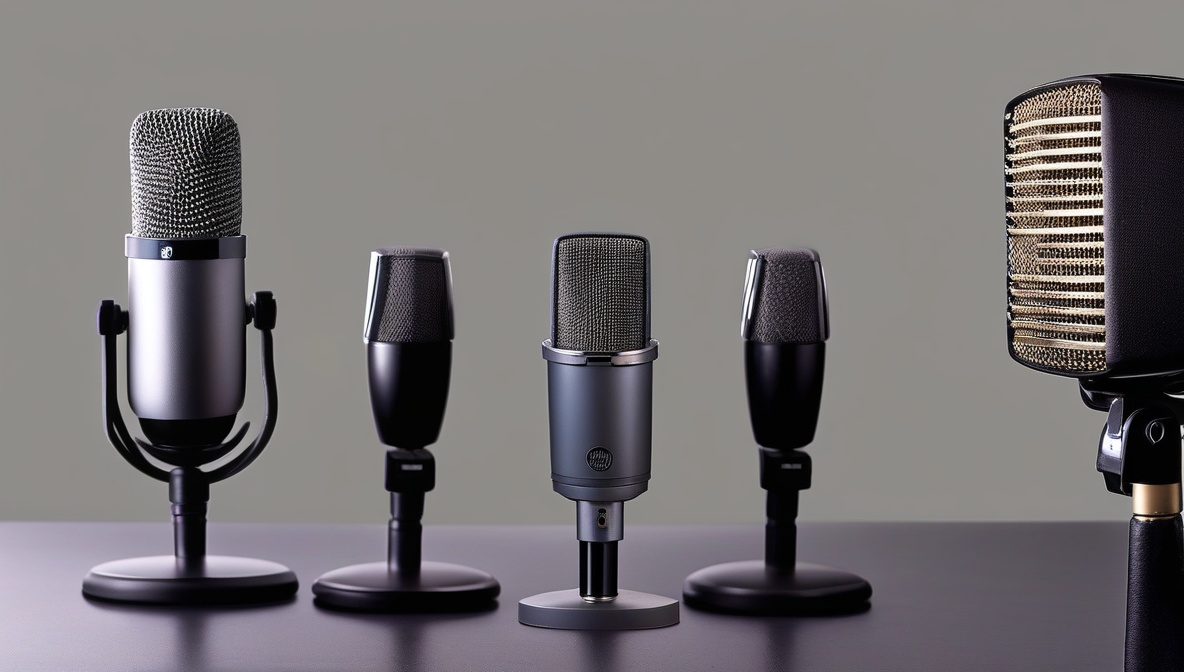
Selecting the perfect podcast microphone is crucial for creating professional-quality content that engages your audience. This comprehensive guide will walk you through the technical specifications, microphone types, and selection criteria to help you make an informed decision that elevates your podcast’s audio quality.
What You’ll Need
- Understanding of your recording environment and setup requirements
- Knowledge of your budget range and long-term podcasting goals
- Basic familiarity with audio interfaces and recording software
- Consideration of your podcast format (solo, interview, or group discussions)
Step-by-Step Instructions
Determine Your Podcast Microphone Requirements
Start by analyzing your specific needs. Consider your recording environment – is it a treated studio space or a home office? According to University of Miami’s podcasting guide, the recording environment significantly impacts microphone selection. Dynamic microphones work better in untreated rooms, while condenser microphones excel in acoustically controlled spaces. Also evaluate whether you’ll be recording solo content, conducting interviews, or hosting group discussions, as this affects the pickup pattern and sensitivity requirements.
Choose Between Dynamic and Condenser Microphone Types
Dynamic microphones like the Shure SM7B or Electro-Voice RE20 offer excellent background noise rejection and are forgiving in untreated spaces. They require more gain but provide consistent performance across various conditions. Condenser microphones such as the Audio-Technica AT2020 or Rode PodMic USB deliver superior sensitivity and frequency response but pick up more ambient sound. For most podcasters starting out, a quality dynamic podcast microphone provides the best balance of performance and practicality.
Evaluate Connection Types and Technical Specifications
Decide between USB and XLR connectivity based on your setup complexity and future expansion plans. USB microphones offer plug-and-play convenience but limit upgrade paths. XLR microphones require audio interfaces but provide superior flexibility and signal quality. Key specifications to consider include frequency response (look for 50Hz-15kHz range for voice), polar pattern (cardioid for most applications), and maximum SPL (sound pressure level) handling. Research from UTC’s audio for podcasting guide emphasizes that understanding these technical aspects ensures optimal microphone selection for your specific use case.
Test and Compare Your Final Podcast Microphone Candidates
Before making your final decision, test your top 2-3 microphone choices if possible. Many audio retailers offer return policies that allow real-world testing. Record identical content with each microphone in your actual recording environment, paying attention to clarity, background noise rejection, and how your voice sounds. Consider factors like handling noise, breath sound pickup, and proximity effect (bass buildup when speaking close to the microphone). This hands-on comparison ensures your chosen podcast microphone performs optimally in your specific setup.
Understanding Podcast Microphone Polar Patterns
The polar pattern determines how your podcast microphone picks up sound from different directions. Cardioid patterns capture sound primarily from the front while rejecting noise from the sides and rear, making them ideal for solo podcasting. Omnidirectional patterns pick up sound equally from all directions, useful for group discussions but more susceptible to background noise. Figure-8 patterns capture sound from the front and back while rejecting sides, perfect for face-to-face interviews.
For most podcast applications, a cardioid pattern provides the best balance of voice capture and noise rejection. This pattern helps maintain consistent audio levels when you move slightly during recording and reduces the pickup of keyboard typing, mouse clicks, and room acoustics that can detract from your content quality.
Budget Considerations and Value Analysis
Podcast microphone prices range from under $100 for entry-level USB models to over $1000 for professional broadcast microphones. The sweet spot for most podcasters falls between $150-$400, where you can find microphones that deliver professional results without breaking the budget. Consider the total cost of ownership, including necessary accessories like audio interfaces, boom arms, pop filters, and acoustic treatment.
Entry-level options like the Audio-Technica ATR2100x-USB or Samson Q2U offer excellent value with both USB and XLR connectivity. Mid-range choices include the Shure SM7B and Electro-Voice RE20, considered broadcast standards. High-end options like the Neumann U87 provide pristine audio quality but require significant investment in supporting equipment and acoustic treatment to realize their full potential.
Essential Accessories for Your Podcast Microphone Setup
Your podcast microphone is only as good as its supporting accessories. A quality boom arm allows proper positioning and reduces handling noise transmission. Shock mounts isolate the microphone from vibrations that travel through surfaces. Pop filters prevent plosive sounds (P and B sounds) from creating unwanted audio spikes.
Windscreens provide additional protection against breath sounds and are essential for dynamic microphones. If using XLR microphones, invest in quality cables – poor cables can introduce noise and signal degradation. Consider a cloudlifter or similar inline preamp for microphones that require substantial gain, as this can improve signal-to-noise ratio significantly.
Troubleshooting
Problem: Your podcast microphone sounds thin or lacks warmth despite good reviews and proper setup.
Solution: Check your positioning – many microphones benefit from close-mic technique (2-6 inches from your mouth). Adjust your audio interface gain structure to ensure adequate input levels without clipping. Consider the proximity effect with dynamic microphones, which adds bass response when speaking closer to the capsule.
Problem: Excessive background noise pickup even with a cardioid podcast microphone.
Solution: Evaluate your recording environment acoustics and consider acoustic treatment like absorption panels. Ensure your gain staging is optimized – too much gain amplifies both signal and noise. Switch to a dynamic microphone if using a condenser in an untreated room, as dynamics naturally provide better noise rejection.
Future-Proofing Your Podcast Microphone Investment
Consider your long-term podcasting goals when selecting your microphone. If you plan to expand into video content, ensure your chosen podcast microphone works well on camera or consider models with minimal visual footprint. For remote interviews, USB connectivity might be more reliable than XLR setups that require additional hardware configuration.
Technology trends indicate increasing integration between podcasting and streaming platforms. Microphones with built-in monitoring capabilities, multiple pickup patterns, or software integration features may provide advantages as the podcasting landscape evolves. According to Trinity University’s podcasting tools guide, staying informed about industry standards and emerging technologies helps ensure your equipment investment remains relevant and capable of growing with your podcast.
Summary
Choosing the perfect podcast microphone requires balancing your specific recording environment, technical requirements, and budget constraints. By following this systematic approach – from analyzing your needs and understanding microphone types to testing candidates and considering long-term goals – you’ll select a microphone that delivers professional audio quality and supports your podcasting success for years to come.
References
- University of Miami Libraries – Introduction to Podcasting Guide
- UTC Library – Audio for Podcasting Technical Guide
- Trinity University – Podcasting Tools and Equipment Resources