
Ultimate Shotgun Microphones Guide: Perfect Audio Capture
Shelly Walker on 12 December, 2025 | Comments Off on Ultimate Shotgun Microphones Guide: Perfect Audio Capture
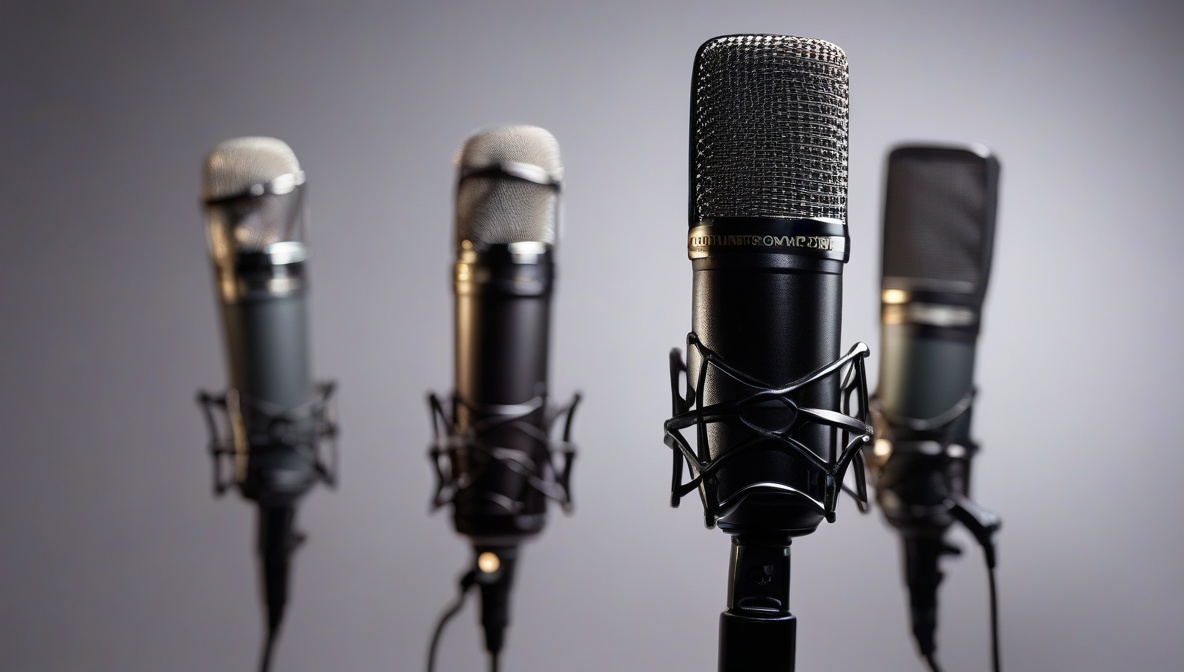
Shotgun microphones represent the gold standard for directional audio capture, offering unparalleled precision in isolating desired sounds while rejecting unwanted ambient noise. Whether you’re recording interviews, capturing dialogue for video production, or streaming content online, understanding how to choose the right shotgun microphones can dramatically transform your audio quality and professional output.
Key Features of Professional Shotgun Microphones
- Supercardioid Pickup Pattern: Captures audio primarily from the front while dramatically reducing side and rear noise pickup by up to 20dB
- Interference Tube Design: Multiple slots along the microphone body create phase cancellation for sounds arriving from off-axis angles
- High-Pass Filter Options: Built-in filters eliminate low-frequency rumble and handling noise, typically cutting frequencies below 80Hz
- Battery-Free Operation: Phantom power compatibility allows seamless integration with professional audio interfaces and mixing boards
Pros
- Exceptional directional pickup eliminates background noise
- Long-range audio capture without proximity requirements
- Professional broadcast-quality sound reproduction
- Versatile mounting options for boom poles and camera rigs
Cons
- Requires precise positioning for optimal performance
- More expensive than standard dynamic microphones
- Sensitive to wind noise without proper windscreen protection
Understanding Shotgun Microphone Technology
The fundamental principle behind shotgun microphones lies in their interference tube design, which creates a highly directional pickup pattern through acoustic engineering. According to Macaulay Library’s comprehensive microphone guide, these microphones utilize multiple slots along their length to create phase cancellation for off-axis sounds, resulting in superior isolation of on-axis audio sources.
The length of the interference tube directly correlates with the microphone’s directional capabilities. Longer shotgun microphones typically provide better directionality at lower frequencies, making them ideal for outdoor recording environments where wind and ambient noise present significant challenges. Shorter models offer improved maneuverability while maintaining excellent directional characteristics for controlled indoor environments.
Frequency Response Characteristics
Professional shotgun microphones typically feature flat frequency response curves from 40Hz to 20kHz, ensuring accurate reproduction across the entire audible spectrum. Many models include presence boosts around 10-12kHz to enhance speech intelligibility and add subtle brightness to recorded audio. This frequency shaping proves particularly valuable for dialogue recording where clarity and articulation are paramount.
Choosing the Right Shotgun Microphones for Your Application
Selecting appropriate shotgun microphones requires careful consideration of your specific recording environment and intended use case. Indoor applications benefit from shorter models (8-12 inches) that provide excellent directionality without excessive length that might cause handling difficulties. Outdoor recording scenarios typically demand longer microphones (14-20 inches) that offer superior rejection of environmental noise and wind interference.
Professional Broadcast Applications
Television and film production demands shotgun microphones with exceptional off-axis rejection and consistent frequency response. Models featuring switchable high-pass filters and pad options provide flexibility for various recording scenarios, from intimate dialogue scenes to challenging outdoor interviews. The ability to maintain consistent audio quality across different positions and distances makes these microphones indispensable for professional video production.
Content Creation and Streaming
Modern content creators and streamers increasingly rely on shotgun microphones for their superior directional characteristics and professional sound quality. These microphones excel at isolating the speaker’s voice while rejecting keyboard typing, mouse clicks, and room reverberation that can compromise audio quality in home recording environments.
Essential Accessories and Setup Considerations
Maximizing the performance of shotgun microphones requires proper accessories and positioning techniques. Research from NPR’s microphone training resources emphasizes the critical importance of shock mounts, windscreens, and proper boom pole techniques for professional audio capture.
Shock Mount Systems
High-quality shock mounts isolate shotgun microphones from mechanical vibrations transmitted through boom poles, camera rigs, and mounting hardware. These systems typically reduce handling noise by 15-20dB, ensuring clean audio capture even during dynamic recording situations. Elastic suspension designs provide the most effective vibration isolation while maintaining secure microphone positioning.
Wind Protection Solutions
Outdoor recording requires comprehensive wind protection to prevent low-frequency rumble and high-frequency turbulence from compromising audio quality. Foam windscreens provide basic protection for light breeze conditions, while full fur windshield systems can handle wind speeds up to 20-25 mph without significant audio degradation. According to Brown University’s creative technology guide, proper windscreen selection can mean the difference between usable and unusable outdoor recordings.
Top Shotgun Microphone Recommendations
Professional Broadcast Tier
The Sennheiser MKH 416 represents the industry standard for professional shotgun microphones, offering exceptional directionality and weather resistance. Its RF bias technology provides consistent performance in humid conditions, while the switchable high-pass filter eliminates low-frequency interference. This microphone delivers broadcast-quality audio reproduction with outstanding off-axis rejection characteristics.
Mid-Range Performance Options
The Audio-Technica AT8035 provides professional features at a more accessible price point, featuring line and gradient operation modes for versatile recording applications. Its rugged construction and consistent frequency response make it suitable for both indoor and outdoor recording scenarios. The built-in switchable low-frequency roll-off helps control proximity effect and environmental noise.
Budget-Conscious Solutions
The Deity V-Mic D3 offers impressive performance characteristics typically found in much more expensive microphones. Its compact design and integrated shock mount make it ideal for camera-mounted applications, while the switchable gain settings provide flexibility for various recording situations.
Technical Specifications and Performance Metrics
When evaluating shotgun microphones, several key specifications determine their suitability for specific applications. Signal-to-noise ratio measurements indicate the microphone’s ability to capture quiet sounds without introducing electronic noise, with professional models typically achieving 80dB or better. Maximum SPL capabilities determine how loud sounds the microphone can handle before distortion occurs, with values ranging from 120dB to 140dB depending on the model.
Polar Pattern Analysis
The directional characteristics of shotgun microphones vary significantly across different frequencies. Most models exhibit their tightest directional pattern in the midrange frequencies (500Hz-5kHz) where speech intelligibility is most critical. At lower frequencies, the directional pattern becomes less focused, while higher frequencies may show slight narrowing of the pickup pattern.
Advanced Recording Techniques
Professional boom operators employ specific techniques to maximize the effectiveness of shotgun microphones in challenging recording environments. Maintaining consistent distance and angle relationships with the subject ensures uniform audio quality throughout recordings. The optimal positioning typically places the microphone 12-18 inches from the subject at a 45-degree downward angle to minimize breath noise while maximizing voice pickup.
Multi-Microphone Setups
Complex recording scenarios often benefit from multiple shotgun microphone configurations, allowing for redundancy and improved coverage of multiple subjects. Time-alignment and phase relationships become critical considerations when combining multiple directional microphones to avoid comb filtering and other acoustic artifacts.
Who Is This For?
Shotgun microphones are essential tools for video producers, broadcast professionals, content creators, and audio engineers who require precise directional audio capture. They’re particularly valuable for anyone working in challenging acoustic environments where background noise isolation is critical for professional-quality results.
Alternatives to Consider
- Lavalier Microphone Systems: Wireless body-worn microphones offering hands-free operation and consistent proximity to the sound source
- Large Diaphragm Condenser Microphones: Studio-oriented microphones providing exceptional detail and frequency response for controlled recording environments
- Dynamic Handheld Microphones: Rugged, versatile microphones suitable for live performance and interview applications
Final Verdict
Shotgun microphones represent an indispensable tool for achieving professional-quality directional audio capture across diverse recording applications. Their superior off-axis rejection capabilities and consistent frequency response make them the preferred choice for broadcast professionals, content creators, and audio engineers who demand exceptional sound quality. While requiring proper technique and accessories for optimal performance, the investment in quality shotgun microphones pays dividends in dramatically improved audio production values.
References
- Macaulay Library – Comprehensive guide to microphone technology and selection
- NPR Training – Professional microphone selection and usage techniques
- Brown University Creative Technology – Shotgun microphone boom operation guide