Ultimate AI-Powered Microphones Guide: Expert Setup Tips
Shelly Walker on 24 December, 2025 | Comments Off on Ultimate AI-Powered Microphones Guide: Expert Setup Tips
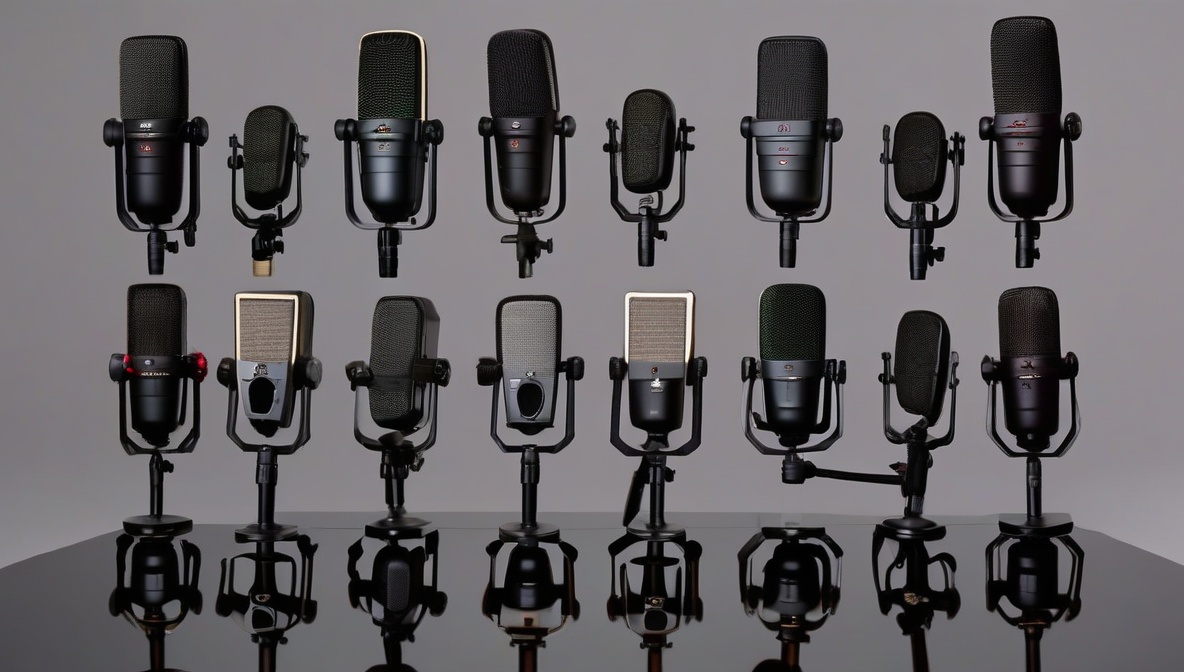
This comprehensive guide will teach you how to set up, configure, and optimize AI-powered microphones for exceptional podcast audio quality. You’ll discover step-by-step techniques that professional podcasters use to leverage artificial intelligence for crystal-clear recordings and automated audio enhancement.
What You’ll Need
- An AI-powered microphone (such as Shure MV7i, Audio-Technica AT2020USB+AI, or Rode PodMic AI)
- Computer with USB 3.0 or higher port
- Recording software compatible with AI microphone drivers
- Stable internet connection for AI processing updates
- Audio monitoring headphones
AI-powered microphones represent a revolutionary leap in podcast audio technology. These intelligent devices combine traditional acoustic engineering with machine learning algorithms to automatically optimize voice capture, reduce background noise, and enhance speech clarity in real-time. According to research from MIT Sloan Review, machine learning applications in audio processing have shown remarkable improvements in speech recognition and noise reduction capabilities.
Step-by-Step Instructions
Install AI Microphone Drivers and Software
Download the manufacturer’s AI-enabled driver software from their official website. This software contains the machine learning models that power your microphone’s intelligent features. Install the drivers and restart your computer to ensure proper integration with your system’s audio architecture. The AI processing requires specific drivers that differ from standard USB microphone drivers, as they include neural network processing capabilities.
Configure AI Audio Processing Settings
Open the AI microphone control panel and configure your audio environment settings. Most AI-powered microphones feature adaptive noise cancellation, voice enhancement, and automatic gain control. Set your recording environment type (home office, studio, outdoor) to help the AI algorithms optimize processing. Enable real-time voice verification features, which recent research from Arizona State University shows can effectively distinguish human speech from artificial audio sources.
Calibrate Voice Profile and Room Acoustics
Run the AI calibration process by speaking normally for 30-60 seconds while the microphone analyzes your vocal characteristics and room acoustics. The AI algorithms will create a personalized audio profile that optimizes frequency response for your voice and compensates for room reflections. This process typically involves reading a provided script or speaking naturally about your podcast topic while the system maps your vocal patterns.
Test and Fine-Tune AI Enhancement Features
Record a test segment using your normal podcasting setup and review the AI-processed audio. Most AI-powered microphones offer adjustable enhancement levels for noise reduction, voice clarity, and dynamic range compression. Listen carefully to ensure the AI processing enhances rather than over-processes your voice. Fine-tune settings based on your specific recording environment and vocal style, paying attention to how the AI handles different speaking volumes and emotional inflections.
Integrate with Recording Software
Configure your preferred recording software to work optimally with your AI-powered microphones. Many AI microphones provide both processed and raw audio streams, allowing you to choose whether to apply AI enhancement during recording or in post-production. Set appropriate buffer sizes and sample rates to accommodate the additional processing overhead. Most AI microphones work best at 48kHz/24-bit resolution to provide sufficient headroom for algorithmic processing.
Enable Advanced AI Features
Activate sophisticated features like automatic guest voice optimization, which adapts processing when multiple speakers are detected, and smart monitoring that adjusts in real-time based on acoustic conditions. Some AI-powered microphones also offer predictive noise cancellation, which uses machine learning to anticipate and suppress intermittent sounds like air conditioning cycles or traffic patterns.
Optimize for Remote Recording
Configure cloud-based AI processing features if available, which can provide more sophisticated audio enhancement than local processing alone. Set up automatic backup and sync features that many AI microphones offer, ensuring your personalized voice profiles and calibration data are preserved across different recording sessions and devices.
Understanding AI Audio Processing Technology
The core technology behind AI-powered microphones involves sophisticated digital signal processing combined with machine learning algorithms trained on vast datasets of human speech. These systems can distinguish between desired vocal content and unwanted environmental noise with remarkable precision, often surpassing traditional analog filtering methods.
Modern AI microphones utilize techniques similar to those described in research from the University of Washington, which demonstrated how AI-enabled audio devices can provide intelligent, context-aware noise cancellation and audio enhancement. This technology translates directly to podcast recording, where consistent, professional-quality audio is essential for audience engagement.
Key AI Features in Modern Podcast Microphones
Adaptive Noise Reduction: AI algorithms continuously analyze the audio signal to identify and suppress background noise while preserving vocal characteristics. Unlike static filters, these systems adapt in real-time to changing acoustic conditions.
Voice Authentication: Advanced AI-powered microphones can verify that recorded audio comes from genuine human speech rather than synthetic or manipulated sources, providing an additional layer of authenticity for professional podcast content.
Intelligent Gain Control: Machine learning algorithms automatically adjust input sensitivity based on speaking volume, distance from microphone, and vocal dynamics, eliminating the need for manual level adjustments during recording.
Frequency Response Optimization: AI systems analyze individual vocal characteristics and automatically adjust frequency response to enhance clarity and presence while maintaining natural sound quality.
Maximizing AI Microphone Performance
To achieve optimal results with your AI-powered microphones, maintain consistent positioning relative to the microphone during recording sessions. The AI algorithms perform best when they can establish predictable patterns in your vocal delivery and environmental acoustics.
Regular calibration sessions help the AI system adapt to changes in your voice, recording environment, or equipment configuration. Most professional podcasters recalibrate their AI microphones monthly or whenever significant changes occur in their recording setup.
Monitor processing latency carefully, especially when recording with multiple participants. While AI processing typically adds only milliseconds of delay, this can become noticeable during live conversations or when mixing multiple AI-processed audio streams.
Troubleshooting
Problem: AI processing creates artifacts or unnatural sound quality
Solution: Reduce AI enhancement levels and ensure your recording environment matches the calibration conditions. Over-processing often occurs when the AI system encounters acoustic conditions significantly different from the initial setup calibration.
Problem: Inconsistent noise reduction performance
Solution: Recalibrate the microphone in your current recording environment and ensure background noise levels are consistent. AI algorithms work best with predictable noise patterns rather than constantly changing acoustic conditions.
Problem: High CPU usage during recording
Solution: Adjust AI processing quality settings or enable hardware acceleration if available. Consider using AI enhancement in post-production rather than real-time if your system struggles with the processing load.
Future Developments in AI Audio Technology
The evolution of AI-powered microphones continues to accelerate, with emerging technologies promising even more sophisticated audio enhancement capabilities. Machine learning models are becoming increasingly efficient, enabling more complex processing with lower computational requirements.
Upcoming developments include predictive acoustic modeling, where AI systems anticipate optimal microphone settings based on calendar integration and environmental sensors. Voice emotion analysis may soon allow AI-powered microphones to automatically adjust processing based on the speaker’s emotional state, optimizing for different podcast segments like interviews, storytelling, or technical discussions.
Integration with cloud-based AI services will likely expand, providing access to continuously updated machine learning models trained on increasingly diverse datasets. This evolution will enable AI-powered microphones to handle a broader range of languages, accents, and speaking styles with professional-quality results.
Summary
Successfully implementing AI-powered microphones in your podcast workflow requires proper driver installation, careful calibration, and thoughtful configuration of enhancement features. By following these systematic steps and understanding the underlying technology, you’ll achieve professional-quality audio that adapts intelligently to your unique vocal characteristics and recording environment.
References
- Arizona State University – Special Microphone Technology for Human Speech Verification
- University of Washington – AI-Enabled Audio Devices with Smart Noise Cancellation
- MIT Sloan Review – Machine Learning Promise for Audio Applications